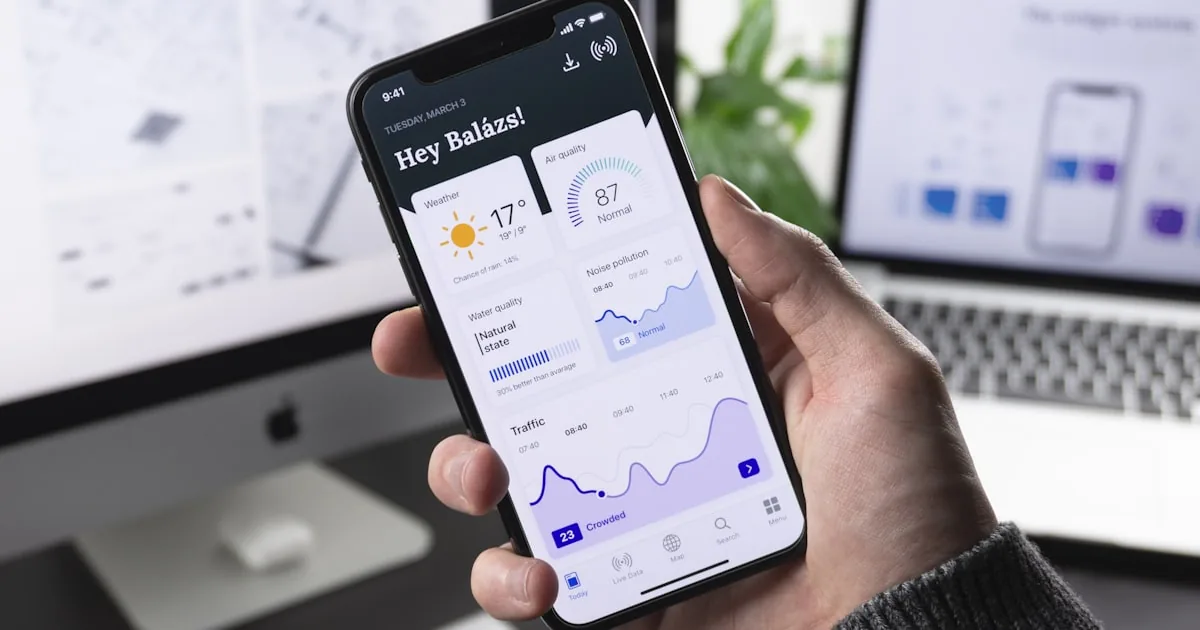
Shopify apps are add-ons that connect to your store through Shopify’s APIs. They read or write data (products, orders, customers, theme files) and sometimes inject storefront UI. Shopify documents the operator path in apps. Native Shopify tools—Search & Discovery, Shopify Email, customer events / Shopify Pixel, and built-in search engine listing fields—are not the same as shopping the App Store. Use those first. Third-party apps live in the Shopify App Store.
This page is the definition. Choosing is a separate tutorial: how to choose the right Shopify apps. Shortlists by job: best Shopify apps for ecommerce stores. SEO specifically: best Shopify SEO apps. You do not need an app stack to create a Shopify store. Extra scripts cost speed; read how too many Shopify apps can slow down your store.
Quick answer
An app is a connected program with install scopes (permissions). You install from the App Store or as a custom app. It may add an admin page, a theme app embed or app block, and a monthly or usage bill. Uninstalling does not always remove leftover theme code, metafields, or pixels. Prefer Shopify-native tools for search, email, pixels, and SEO fields. Install one named job at a time after checkout works.
Native vs third-party
Native (Shopify-first): Features Shopify hosts. In 2026 that includes Search & Discovery (storefront search, filters, recommendations), Shopify Email, customer events / Shopify Pixel, and search engine listing fields on products, collections, and pages. These cover the basic job without a third-party vendor.
Third-party: Independent developers in the App Store. They fill jobs Shopify does not ship (photo reviews, some subscription or wholesale setups) or they duplicate a native job with extra features. Duplicating a native job is usually waste. Theme layout is not an app problem—customize a Shopify theme in the editor first.
The App Store
The Shopify App Store is the catalog for public apps. Listings, prices, and review text change. As of 2026, treat names on any blog—including FACTASH—as illustrations. Verify the live listing: last update, review recency, support channel, and requested permissions. Custom apps built for one store skip the public catalog; they still request scopes.
Do not install from a “must-have stack” during store setup. The launch checklist assumes checkout works before optional apps.
Install scopes (permissions)
On install, the app asks for scopes: read or write products, read orders, write theme files, manage pixels, and so on. Grant only what the named job needs. An app that wants write access to orders and theme files to add a size chart is over-scoped. Follow current admin paths in Shopify’s apps manual.
Scopes are a security and data decision. They are not a quality score.
Theme app embeds and app blocks
Online Store 2.0 apps often ship theme app extensions:
- App embeds: global on/off in the theme editor (a widget that can load on every page).
- App blocks: placed on a template like a section (reviews on the product template).
These are cleaner than older apps that pasted Liquid into theme.liquid. They still add JavaScript. Each embed is a performance budget item—see too many apps. If you uninstall, turn the embed off and confirm the theme editor no longer lists the block.
Monthly vs usage fees
Typical App Store pricing in 2026:
- Free with limits (or ads inside the app).
- Monthly subscription, often with a trial.
- Usage-based (emails sent, SMS, orders processed, extra seats).
- One-time (rare for anything that needs ongoing API access).
Shopify’s own plan is separate. An app bill stacks on top. Usage fees can exceed the monthly line when volume grows. Read the listing’s pricing tab; do not assume the headline price is the invoice.
Apps do not come with a conversion-rate guarantee. Anyone selling a lift from an install is marketing, not a number you should put in a forecast.
Uninstall
Uninstall from Settings → Apps and sales channels (labels move; Help Center is canonical). Then:
- Theme editor: disable leftover app embeds and delete unused app blocks.
- Check customer events / pixels for a leftover pixel.
- Metafields and files the app created may remain; they are usually harmless but clutter admin.
- Old-style apps may have left script tags in theme code—search an unpublished duplicate theme.
Uninstall is not complete until the storefront no longer loads the vendor’s JavaScript.
Common mistakes
- Treating the App Store as part of day-one setup.
- Installing three apps that all do reviews or popups.
- Ignoring scopes.
- Leaving embeds on after uninstall.
- Paying a usage-heavy email app before trying Shopify Email.
What to do next
Learn the platform path in the Shopify 101 complete guide and the Shopify 101 category. Choose with how to choose the right Shopify apps. Operator docs: apps.
You can run a catalog with native tools only. If you want a partner to audit the app stack, theme embeds, or a launch, AalphaLeo Digital Solutions does Shopify store work. Phone / WhatsApp: +91 9288621081. That is optional. Installing fewer apps is not.
Frequently asked questions
Do I need apps to launch?
No. Create the store, payments, shipping, and policies first. Apps are optional after a test order. Use the launch checklist.
What is the difference between an app and a theme?
A theme is the storefront design system. An app is a connected program. Do not install a page-builder app to avoid theme customization.
Will uninstalling delete my products?
Almost never. Products live in Shopify. Apps may have written metafields or reviews that stay or disappear depending on the vendor. Export anything you need before you uninstall.
Are Shopify’s own tools “safer”?
First-party tools are maintained by Shopify and usually fit the admin. They can still add scripts (email, search). Third-party can be excellent; in 2026 verify listing recency and scopes like any other vendor.

AalphaLeo Digital Solutions
Publisher of FACTASH. Practical technology, AI, and search operations writing. No invented credentials.
Publisher pageRelated articles

What Is Shopify? A Plain-Language Explanation for New Store Owners
Shopify is a hosted commerce platform for selling online, in person, and on connected channels from one admin. What it includes, what you st…

What Are Shopify Product Tags and How Should You Use Them?
Shopify product tags are admin merchandising labels for collections, search, and apps—not a ranking shortcut. Naming conventions, what to ta…

Shopify vs WooCommerce: How to Compare Hosted Commerce and WordPress
Compare Shopify and WooCommerce on hosting, checkout, payments, maintenance, and team skills. A decision frame without fake market-share or …