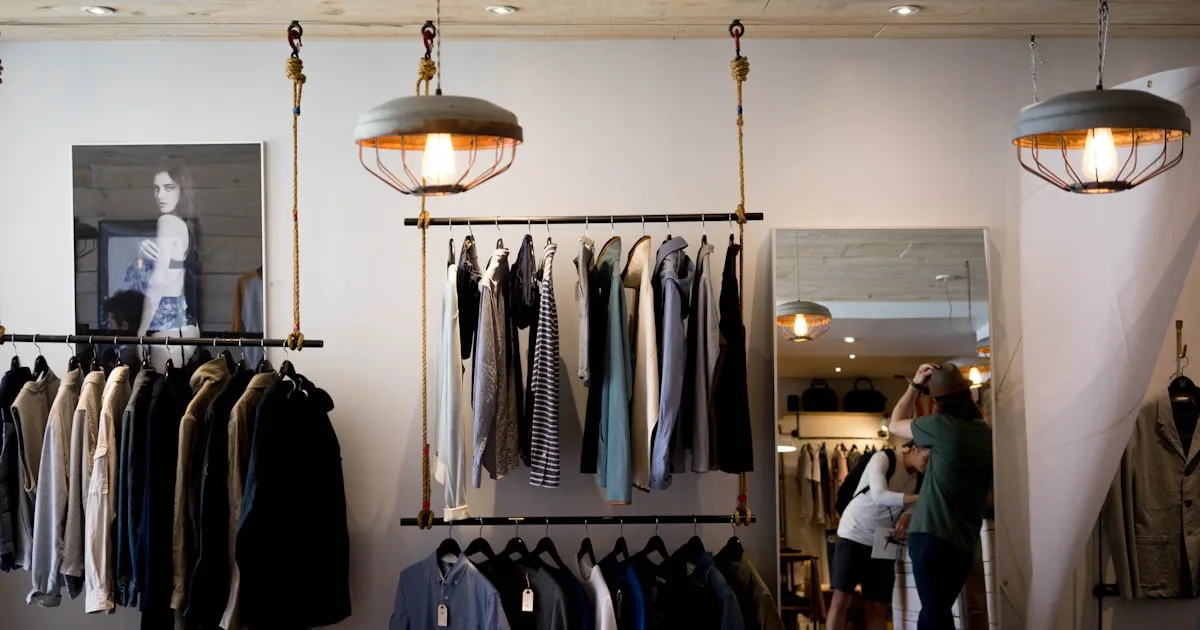
A Shopify homepage has three jobs: say who you are, merchandise what is in stock, and give a path into collections and product pages. It is not a magazine, a founder memoir, or a place to dump every campaign of the last year. Theme sections are the tool; the jobs are the brief. Shopify’s theme and section model is documented in Online Store themes. How those jobs sit in the whole storefront: how to design a Shopify store that converts.
You cannot homepage-design your way out of a missing catalog. Add real products first—create a Shopify store—then edit the home template in a duplicated theme.
Quick answer
Build a short stack on a phone: header + menu, hero (one offer or category, one primary link), featured collection (real SKUs, prices visible), trust strip (shipping, returns, payment methods you actually offer), optional second collection or story block, footer. Cut anything that does not send a shopper toward a collection or product. Navigation belongs in menus, not as 40 product links in the hero. Publish when the first screen on a 390px viewport is understandable without scrolling twice.
Job 1: Who you are
The first screen should name the store and the category in plain language. Logo plus a headline like “Work bags in leather” beats a mood video with no words. If the shopper has to guess whether you sell plants or pants, the hero failed. About-us essays belong on an About page, not above the fold. What Shopify is is the platform; the homepage is your merchandising, not Shopify’s.
Job 2: Merchandising
Featured collections exist so you can put current product cards on the home template without maintaining a custom HTML grid. Use collections you already use for nav (new, bestsellers, a season). Cards need image, title, and price. Hide out-of-stock if that is your policy—do not feature empty collections. A homepage that only shows lifestyle photography with no SKUs is a brochure. How Shopify works is catalog-driven; the home template should respect that.
Rotate featured collections when inventory changes. Do not treat the homepage as a static poster you redesign twice a year.
Job 3: Path to collections and products
Every major block needs a destination: a collection URL, a product URL, or a catalog index. Buttons that scroll to more homepage sections are not a path. If you have more than a handful of categories, the menu is the IA—keep the homepage to a few featured entries, not a sitemap. Footer can repeat policy and contact links; it should not be the only way to find Winter / Summer.
Hero, featured collection, trust—not a magazine
Hero: One message, one image that still reads when cropped for mobile, one call to action. Slideshows that auto-rotate five campaigns compete with each other. If you use a slideshow, keep it to two or three slides and pause on user interaction if the theme allows.
Featured collection: Your real catalog, not Theme Store demo furniture. Preview with your products before you fall in love with a demo homepage.
Trust: Shipping window, return window, and payment brands you support—only if true. Link to the policy pages you will publish before launch. Fake “as seen in” rows and invented ratings are worse than nothing.
Skip: blog-index dumps, Instagram walls that fail to load, countdown timers with no sale, and full-width video that delays first product cards. Editorial brands can add a story block after a collection, not instead of one.
Mobile first
Design the home template in the theme editor’s mobile preview, then check a real phone. Tap targets on the hero CTA and the first product card must work with a thumb. Nested dropdowns that only work on desktop belong in the menu work, not as a homepage crutch. Heavy hero images are a speed tax; compress before you upload. The CRO operator guide is for measurement after the jobs are visible—not a reason to add pop-ups on first home load.
Theme as the box
Homepage sections come from the theme. If you need a module the theme does not have, you add an app block, switch theme, or write Liquid—customize a Shopify theme. Fighting the home template with CSS to imitate a Dribbble shot is how homepages get slow. Dawn is a valid free starting layout; it is not a magazine system. Paid vs free is a license decision, not a homepage strategy.
Checkout does not live on the homepage. Still complete checkout setup so the path you advertise can finish. Plan prices (US list 29 August 2026: Basic $39/month or $29 yearly, Grow $105 or $79 yearly, Advanced $399 or $299 yearly, Plus from $2,300) are on shopify.com/pricing and pricing and plans. They do not change homepage jobs.
Common mistakes
- Treating the homepage as a brand book and hiding collections.
- Slideshow of five unrelated campaigns.
- Featuring demo products after launch.
- Trust badges for shipping you do not offer.
- Building the homepage on desktop only.
What to do next
Wire the three jobs, then walk the phone path into a product. Use the launch checklist before password-off. Hub: Shopify 101 complete guide and Shopify 101 category.
Homepage structure is merchant work. If you need a partner for theme sections or a redesign, AalphaLeo Digital Solutions (+91 9288621081) can help. Optional. The three jobs are not.
Frequently asked questions
How many sections should a homepage have?
As few as the three jobs need. Many first stores ship hero, one featured collection, trust, and footer. Add a second collection when you have a reason, not to fill space.
Should the homepage rank for my brand name only?
The homepage can rank for the brand. Category intent usually belongs on collection URLs. Do not stuff the H1 with every keyword; state who you are.
Do I need a different homepage for each market?
If you use Shopify Markets and the theme supports market-aware content, yes where language or catalog differs. That is a Markets and template question, not a reason to clone five unpublished themes by hand without a plan.
When do I redesign the homepage?
When the jobs fail (unclear category, no path, stale merchandising) or the theme cannot express a merchandising pattern you will keep. Not because a competitor launched a new hero. See store design that converts for the rest of the templates.

AalphaLeo Digital Solutions
Publisher of FACTASH. Practical technology, AI, and search operations writing. No invented credentials.
Publisher pageRelated articles
What Is Shopify? A Plain-Language Explanation for New Store Owners
Shopify is a hosted commerce platform for selling online, in person, and on connected channels from one admin. What it includes, what you st…

What Are Shopify Product Tags and How Should You Use Them?
Shopify product tags are admin merchandising labels for collections, search, and apps—not a ranking shortcut. Naming conventions, what to ta…
What Are Shopify Apps and How Do They Work?
Shopify apps connect to your store via permissions, App Store install, theme embeds, and fees. Native tools vs third-party, scopes, and what…