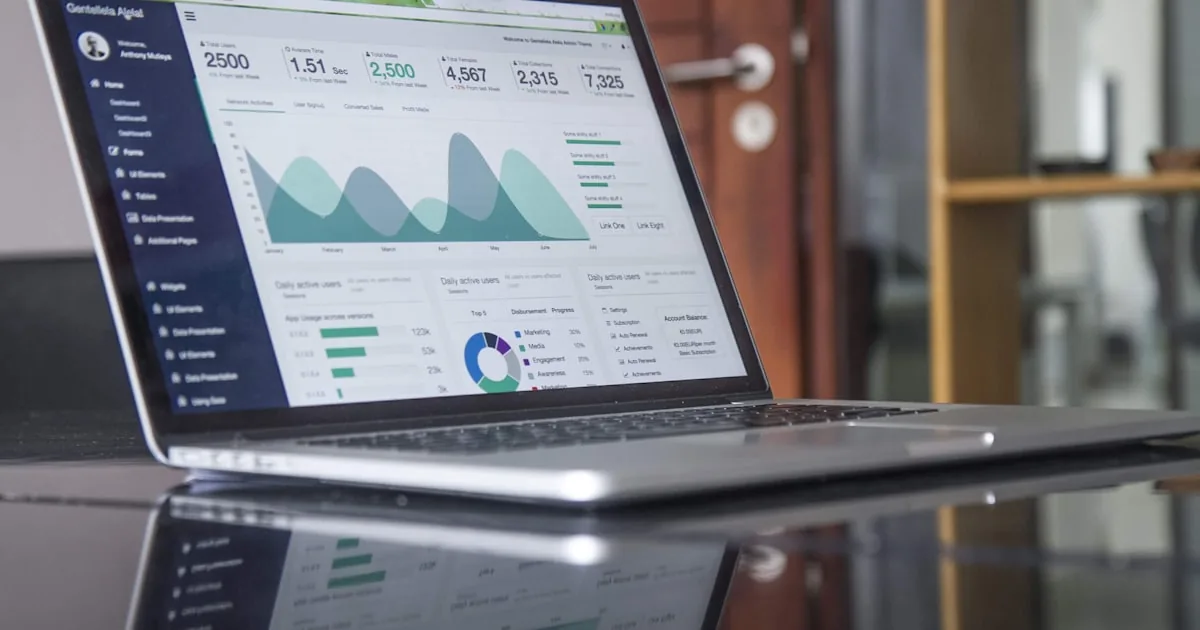
Shopify splits into parts that look like one “website” to a shopper and several systems to you. If you mix them up, you will edit the wrong screen and think the platform is broken.
Quick answer
You configure the business in Shopify admin. Shoppers browse the Online Store (theme templates). They pay through Shopify Checkout. Optional sales channels and apps add extra storefronts or features. An order is a record in admin: payment status, fulfillment status, customer, and line items. Shopify hosts this stack. You still fulfill the goods and answer the customer.
The four surfaces
1. Admin
Admin is where you add products, set shipping, view orders, edit theme settings, install apps, and change plan-level options. Staff access depends on your plan. Shopify’s public US pricing table (as of 29 August 2026 on shopify.com/pricing) lists additional staff accounts on Grow (5) and Advanced (15), and unlimited staff on Plus. Basic does not list extra staff seats in that comparison table. Always confirm in your own admin; regional plans differ.
Use admin on a desktop when you first configure payments and shipping. The Shopify app is useful for order alerts later, not for learning the information architecture.
2. Online Store (storefront)
The Online Store is the public theme: home, collections, product pages, cart, content pages, and blog if you enable it. What the shopper sees is HTML/CSS/JS from the published theme, plus app pixels. Google and other crawlers see that rendered storefront, not your admin.
If a change “does not show,” check: draft vs published theme, unpublished product, password-protected store, or an app hiding a section.
3. Checkout
Checkout is Shopify’s hosted payment flow. On standard plans, checkout customization is limited compared with Shopify Plus (Shopify’s pricing table describes limited vs full checkout customization). Do not promise a fully custom checkout on Basic.
Keep product price, discounts, taxes, and shipping quotes consistent between the product page and checkout. Shoppers abandon when those numbers disagree.
4. Sales channels
A channel is another place the same catalog can sell: Shop, social storefronts, point of sale, or other channels Shopify offers in your region. Each channel has its own setup and policies. Turning a channel on is not the same as advertising on that network.
What happens in an order
- Shopper adds a variant to cart (inventory may decrement depending on settings).
- Shopper enters shipping and payment on checkout.
- Payment processor authorizes or captures funds (Shopify Payments or a third-party gateway).
- Admin creates an order with a status. You fulfill, refund, or cancel according to your process.
- Customer receives Shopify’s notification emails unless you change templates or suppress them.
Fraud analysis tools that Shopify documents for Shopify Payments are a filter, not a guarantee. Review high-risk orders.
Apps sit beside this model
An app can inject storefront scripts, add admin screens, or call Shopify APIs. Apps do not replace understanding of products, collections, and checkout. Too many apps slow pages and create overlapping popups. That topic gets its own tutorial later in Shopify 101; the rule for launch is: payment, shipping, theme, then one job-specific app if the theme cannot do it.
Password, domain, and “is it live?”
A new store is often password-protected. Search engines should not be expected to index a password page. Connect a domain when you are ready for a public URL; Shopify documents that you can keep a registrar elsewhere and point DNS, or manage the domain in Shopify. Until then, the myshopify.com URL is the working preview.
What you need before you care about “how it works”
- A decision that you will sell physical goods, digital goods, or services (the product type changes shipping and tax).
- Time to complete Settings: store details, payments, shipping.
- Access to a bank or payout method Shopify supports in your country.
Common mistakes
- Editing a duplicate unpublished theme and wondering why the live site is unchanged.
- Assuming Instagram equals a Shopify store. A social profile can link to Shopify; it is not the catalog system.
- Treating collections as optional. Navigation without collections is a pile of product URLs.
- Installing a page builder on day one and fighting the theme instead of filling product data.
What to do next
If you still need the definition of the platform, read what Shopify is. If you are ready to click through signup, follow how to create a Shopify account. Keep Shopify terminology open in another tab the first week.
Frequently asked questions
Is the Online Store the same as checkout?
No. The storefront is browsing. Checkout is the payment and address flow Shopify hosts.
Can I run Shopify without the Online Store?
You can emphasize other channels, but most Shopify 101 readers should publish an Online Store. Headless or channel-only setups are advanced.
Where do apps run?
It depends on the app: storefront theme app extensions, checkout (where allowed), admin embedded apps, or server-side via APIs. Read the app’s listing and permissions before install.
Why does my store look different on mobile?
Themes have responsive layouts. Apps and large images cause most “it looks broken on my phone” reports. Test the published theme on a real phone, not only the editor preview.

AalphaLeo Digital Solutions
Publisher of FACTASH. Practical technology, AI, and search operations writing. No invented credentials.
Publisher pageRelated articles

What Is Shopify? A Plain-Language Explanation for New Store Owners
Shopify is a hosted commerce platform for selling online, in person, and on connected channels from one admin. What it includes, what you st…

What Are Shopify Product Tags and How Should You Use Them?
Shopify product tags are admin merchandising labels for collections, search, and apps—not a ranking shortcut. Naming conventions, what to ta…
What Are Shopify Apps and How Do They Work?
Shopify apps connect to your store via permissions, App Store install, theme embeds, and fees. Native tools vs third-party, scopes, and what…